
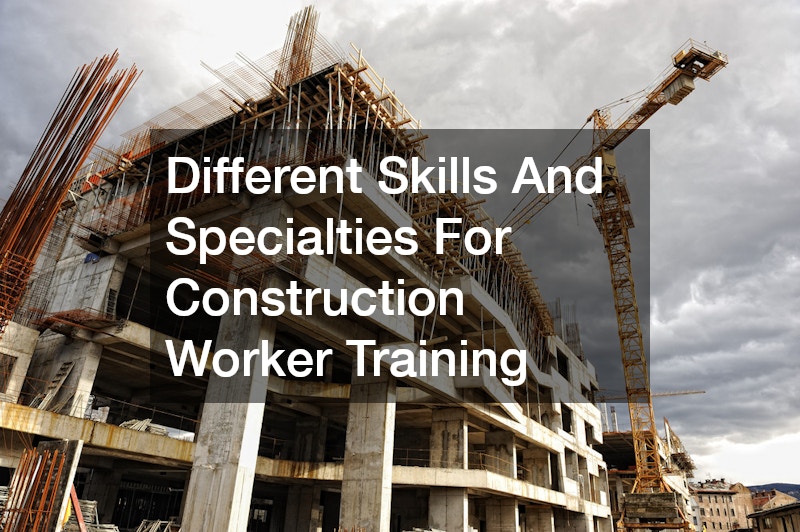

In the dynamic world of construction, worker training is essential for ensuring safety, efficiency, and quality. Whether you’re operating specialized equipment or handling intricate materials, having the right skills ensures every project is completed successfully. Let’s explore the essential skills and specialties needed for a well-rounded construction workforce.
Strengthening Foundations With Cranes
Crane services play an integral role in construction, especially when erecting tall structures. The ability to maneuver heavy loads with precision is crucial, and this requires not only technical skill but also a comprehensive understanding of safety protocols. Training involves learning how to operate cranes adeptly while being aware of surroundings and potential hazards.
Operators must be proficient in assessing load weights and wind conditions to maintain balance and stability. Skillful execution in crane services is a result of rigorous training, focusing on both mechanical operation and real-time problem-solving abilities. Proper training ensures that crane services effectively contribute to the structural integrity of construction projects.
Furthermore, understanding the coordination needed among workers on the ground is essential. Crane operators collaborate closely with teams and adhere to communication protocols to ensure lifts are conducted smoothly. These collaborations enhance safety measures, reducing risks of accidents and increasing project efficiency.
Managing Waste
Construction waste management is a critical component of any project, and 30 yard dumpsters offer a practical solution. Training in this area focuses on understanding the types of waste generated and methods of effective disposal. Workers must be trained to recognize hazardous materials that require special handling.
Efficient use of 30 yard dumpsters requires logistical skills, ensuring they are placed in optimal locations to minimize travel and maximize efficiency. Waste separation training is also a significant aspect, teaching workers how to segregate recyclables from non-recyclables to maintain environmental compliance and sustainability goals.
In addition to disposal techniques, safety training is crucial, teaching workers to handle equipment safely and preventing contamination. Understanding load limits and proper usage of 30 yard dumpsters ensures that waste management is carried out without any adverse environmental impact.
Constructing With Rebar
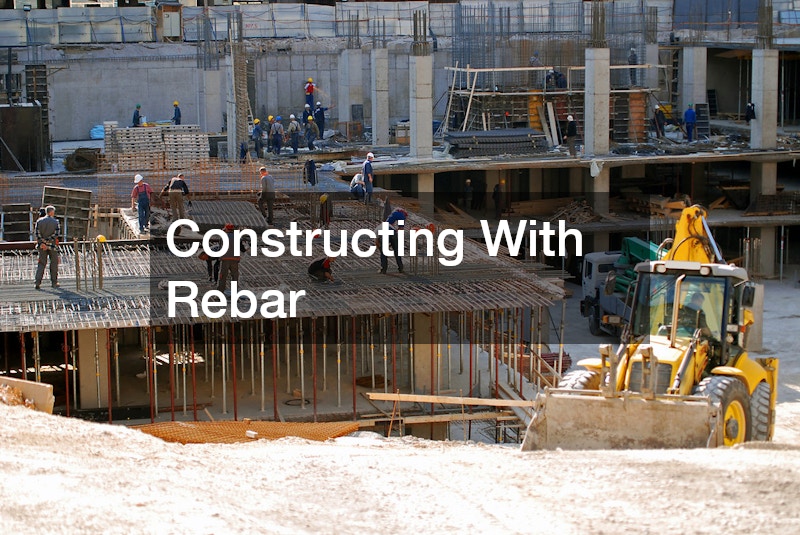
Rebar cages form the skeletal framework of concrete structures, providing essential support and rigidity. Training in constructing rebar cages is intensive, focusing on accuracy and precision in bending and connecting steel bars. Workers learn to read structural blueprints to ensure dimensions are met.
Moreover, skills in welding and tying rebar are crucial for the integrity of rebar cages. Properly constructed rebar cages are essential for the durability and stability of concrete structures. This training emphasizes the importance of attention to detail and adherence to engineering specifications.
Collaborating closely with concrete services, workers must synchronize their efforts to ensure that rebar cages are correctly embedded during the concrete pouring process. This cooperation calls for effective communication and team coordination, which are vital skills in complex construction projects.
Precision Work With Pipe Threaders
Industry projects involving plumbing or gas lines often rely on precision equipment like Ridgid pipe threader. Training workers to use this equipment requires a keen eye and steady hand for creating exact threads needed for secure fittings. Mastery involves understanding the nuances of different pipe materials.
Safety remains a top priority during training, with a focus on equipment handling and the risks associated with high-pressure tasks. Rigorous drilling offers the precision needed to cut ridges into pipes, creating the foundation for flawless installations. Workers practice repeatedly to achieve consistency in their threading tasks.
Additionally, problem-solving skills are honed to tackle any unforeseen challenges, such as adjusting the threading techniques when dealing with unique pipe sizes or materials. These skills help maintain the piping system’s integrity, preventing leaks and ensuring long-term functionality.
Efficient Use Of Storage

Managing inventory efficiently is essential for any construction project, and industrial storage solutions play a crucial role in this process. Training covers not only the physical aspects of storage but also inventory management techniques and organizational skills. Workers learn how to categorize materials for easy access.
Workers are trained to utilize space effectively, ensuring that materials are stored safely and are readily available for different phases of construction. This training reduces downtime and enhances operational workflow, ensuring projects stay on schedule. Safety protocols are reinforced to prevent accidents during material handling.
Moreover, understanding the importance of climate control in industrial storage helps maintain the quality and longevity of stored materials. This training ensures that all materials remain in optimal condition until they are required on site, ultimately contributing to the overall success of construction projects.
Harnessing Power In Construction
Hydraulic power is a cornerstone of modern construction. Training in this area focuses on understanding hydraulic systems’ mechanics and their application in heavy-duty construction tasks. Workers are trained to safely harness and apply hydraulic power to operate machinery like lifts and excavators.
Operating hydraulic systems requires an understanding of the principles of force and pressure, which are crucial for effective system control. Proper training ensures that workers can troubleshoot and maintain these systems, minimizing downtime and repair costs. Training also includes safety protocols to mitigate risks during operation.
With hydraulic power, precision work becomes more effortless, allowing for accurate control in complex tasks such as demolition or excavation. These skills contribute to the overall efficiency and reliability of construction operations, emphasizing the importance of comprehensive training in hydraulic system operations.
The Importance Of Forklift Training
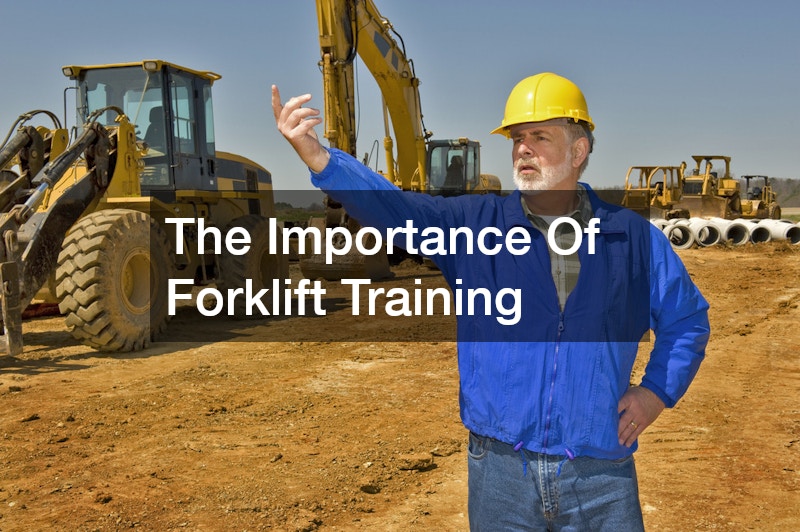
Forklifts are indispensable in construction for moving heavy materials and equipment. Training emphasizes operating techniques that prioritize safety and efficiency. Workers must master the art of maneuvering in tight spaces and understanding load capacities to prevent accidents.
Certified training programs focus on the mechanical understanding of forklifts, incorporating maintenance practices that ensure these machines operate reliably. This training includes hands-on experience that builds competence and confidence among workers. It also covers emergency procedures in the case of equipment failure.
Moreover, forklift training reinforces the importance of team coordination on site. Operators must communicate clearly with other crew members to navigate complex construction environments smoothly, thus enhancing workflow efficiency and ensuring project timelines are met.
Expertise In Concrete
Concrete services encompass a range of tasks from mixing to pouring and finishing, requiring specialized training to perfect each step. Training starts with understanding the properties of different concrete mixtures and their applications. Workers learn to adjust mixing proportions for specific project requirements.
Handling concrete involves precision and timing, as workers must pour and finish surfaces before the mixture sets. Training includes techniques for smoothing and leveling, ensuring a durable and aesthetically pleasing finish. This process requires a keen eye for detail and the ability to work swiftly and accurately.
Coordination is key in concrete services, as workers must collaborate during large pours to ensure consistency. Communication skills are crucial, and teamwork is emphasized throughout training. These skills ensure that concrete services achieve the structural integrity and visual appeal needed for high-quality construction projects.
Metal Fabrication In Construction
Metal fabrication service is vital to construction projects, particularly in creating customized components. Training programs focus on teaching precision in cutting, shaping, and assembling metal structures. Workers learn different techniques, including welding and soldering, to join metal pieces effectively.
Safety is paramount in metal fabrication, and training includes using personal protective equipment and adhering to safety standards to prevent accidents. Workers develop skills in interpreting blueprints and specifications to fabricate metal pieces that meet design and functional criteria accurately.
Collaborating closely with engineers and other specialists, skilled fabricators ensure that metal components are correctly aligned and securely attached. This cooperation contributes to the overall strength and reliability of construction builds, emphasizing the importance of precision and expertise in metal fabrication.
Mastering Rigging

Rigging services are essential in construction, particularly for lifting and moving heavy components. Training involves understanding the principles of weight distribution and balance to safely secure and maneuver loads. Workers learn to select the appropriate rigging gear for each task.
Expertise in rigging requires an understanding of different types of equipment, such as slings, chains, and hoists. Safety protocols are heavily emphasized, as improper rigging can lead to accidents and project delays. Proper inspection and maintenance of rigging equipment are integral parts of the training.
Effective communication and coordination are also crucial, as riggers work closely with crane services and other team members to execute lifts smoothly. This cooperation ensures that rigging services contribute to efficient and safe project completion, highlighting the need for specialized training and expertise.
Introducing Advanced Safety Protocols
In addition to mastering technical skills, it is vital to implement advanced safety protocols in rigging services. Training programs emphasize the importance of continuous safety evaluations and up-to-date practices. These protocols include regular equipment checks to ensure safety accessories function correctly under varying load conditions.
Understanding global safety standards becomes an integral part of the training, ensuring workers remain compliant with legal requirements. By familiarizing themselves with international safety guidelines, rigging teams can adapt to various project demands globally. This broad understanding enhances their efficacy and reliability in international projects.
Furthermore, integrating technology, such as load monitoring systems, into rigging services can offer real-time feedback essential for maintaining operational safety. Training workers on these technological advances ensures immediate corrective actions can be taken, significantly reducing the likelihood of accidents. This proactive approach embodies the commitment to creating a safe working environment.
Effective Use Of Technology In Construction Training
Incorporating technology into construction training programs offers enhanced learning and operational efficiency. Virtual reality (VR) simulations create immersive scenarios that help workers practice complex skills in a low-risk environment. These simulations effectively demonstrate real-world applications of crane services and forklift operations.
Moreover, e-learning platforms offer flexible access to training materials, enabling seamless knowledge acquisition along with practical training. These platforms often utilize multimedia presentations and interactive modules that effectively communicate technical concepts. Such resources allow workers to progress at their own pace, ensuring comprehensive understanding.
The use of cloud-based project management tools in industrial storage training is another technological advancement aiding operational efficiency. These tools allow real-time inventory tracking and resource management, ensuring efficient use of industrial storage and timely access to materials. Workers gain familiarity with these systems during their training, marrying technology with traditional construction skills.
Environmental Considerations In Construction Training
Environmental sustainability is an increasingly important aspect of modern construction projects. Training programs incorporate ecological concepts, focusing on waste reduction and efficient resource use. For instance, training on managing 30 yard dumpsters includes methods to minimize waste and promote recycling, enhancing sustainability efforts.
Understanding the environmental impact of construction activities helps workers adopt eco-friendly practices, like preferring sustainable materials and methods. Various modules emphasize the importance of ecological preservation, ensuring every task conducted furthers the environmental goals of the project. This approach encourages a culture of environmental responsibility within the construction team.
Concrete services training also includes the use of green concrete, which reduces carbon footprint by incorporating industrial waste materials. Through effective training, workers learn to mix and apply sustainable concrete without compromising on quality and durability. This knowledge aligns day-to-day operational practices with environmental objectives, contributing to the short and long-term success of construction projects.
Construction worker training is multifaceted, requiring the development of skills and knowledge in various specialties. From operating heavy machinery like forklifts and cranes to mastering the intricacies of metal fabrication and concrete services, each skill set is vital for the successful completion of construction projects. Rigorous training programs ensure that workers are equipped with the technical abilities and safety awareness needed to tackle any challenge within the construction industry.
By focusing on both technical skills and advanced safety training, the construction industry can prioritize worker safety without compromising on productivity and quality. Comprehensive training programs incorporating technology and sustainability prepare workers for evolving construction practices. Such dedication to training facilitates a culture of excellence, driving innovation and success within the construction sector.
Ongoing advancements in training programs, including the integration of cutting-edge technology and sustainability practices, are crucial to maintaining the workforce’s competency and environmental responsibility. By adapting to new challenges and opportunities, the industry ensures a future-ready workforce adept at handling the complexities of modern construction projects. Ultimately, a well-trained workforce translates into safer, more efficient, and environmentally friendly construction projects that serve communities worldwide.