

Choosing the right education path is one of the most important decisions you can make when planning a career. Whether you’re entering a hands-on trade, healthcare field, or professional service, the level of education you pursue can directly affect your job opportunities, salary potential, and long-term career growth.
Understanding the different requirements for each field helps you make informed choices and avoid wasting time or money on programs that may not align with your goals. Some careers rely heavily on formal degrees, while others prioritize apprenticeships, certifications, or hands-on experience. In today’s competitive job market, balancing education, practical experience, and networking can make all the difference in achieving professional success.
This article provides actionable insights into the education requirements for various skilled trades and services, offering practical tips for anyone looking to advance their career.
Planning Your Education for Healthcare and Dentistry Careers

For those considering healthcare, formal education and practical experience go hand-in-hand. Professions such as dentistry and counseling require structured learning to develop both technical skills and patient care abilities. Early exposure to the field can help clarify career goals and ensure the right educational path is chosen.
A career as a cosmetic dentist begins with a strong foundation in sciences during undergraduate studies, typically including biology, chemistry, and anatomy. After completing these prerequisites, aspiring dentists attend four years of dental school to earn a Doctor of Dental Surgery (DDS) or Doctor of Dental Medicine (DMD). During dental school, students gain hands-on experience performing procedures in clinical settings under supervision. Beyond the degree, certifications, residencies, and continuing education may be necessary to specialize in cosmetic procedures, including veneers, teeth whitening, and full smile makeovers. Staying up-to-date on the latest techniques, materials, and technology is crucial, as cosmetic dentistry is a field that continuously evolves with new advancements.
Similarly, working in addiction recovery centers, particularly in outpatient intensive programs, demands a degree in counseling, psychology, or social work. Professionals in this area need both strong interpersonal skills and a solid understanding of mental health treatment plans. Licenses and certifications ensure that counselors and therapists are prepared to handle sensitive cases involving substance abuse, mental health disorders, and crisis situations. Gaining experience through internships, volunteer opportunities, or supervised clinical hours is essential to develop confidence and competence before working independently.
Hands-On Learning Strategies for Aspiring Healthcare Professionals:
- Shadow a practicing cosmetic dentist or counselor to understand daily responsibilities.
- Create a checklist of required licenses, exams, and clinical hours early.
- Volunteer at clinics or community health events for real-world experience.
- Research postgraduate specialization programs to advance therapeutic or cosmetic skills.
- Attend workshops or seminars on emerging treatment techniques or dental technologies.
- Join professional organizations to network and stay informed on best practices.
With careful planning and a combination of education, licensure, and practical experience, aspiring healthcare professionals can build a strong foundation for a successful career. Taking the time to gain exposure and specialized skills early on helps ensure confidence and competence in any healthcare or counseling role.
Essential Training for Plumbing and Electrical Careers
Careers as a plumber and with an electrical company blend formal education with practical, hands-on experience. Plumbers often begin with vocational programs or apprenticeships, where they learn about pipe systems, safety protocols, and state-specific building codes. Apprenticeships allow new plumbers to gain real-world experience under the supervision of experienced professionals while simultaneously earning credentials that are required for licensure and advancement.
Similarly, electricians must complete trade school programs, apprenticeships, and pass licensing exams. Their training covers circuitry, wiring, and safety standards, preparing individuals for both residential and commercial projects. Both plumbing and electrical careers may offer opportunities for self-employment, making knowledge of business practices, client management, and cost estimation valuable skills in addition to technical expertise.
Building Practical Skills for Plumbing and Electrical Success:
- Join trade unions or local associations for mentorship and networking.
- Participate in workshops on emerging technologies like smart home systems.
- Practice troubleshooting and repair skills through simulated or volunteer projects.
- Track licensing renewal dates and continuing education credits to maintain compliance.
By combining formal education, practical experience, and continuous skill development, aspiring plumbers and electricians can establish strong careers with opportunities for advancement or entrepreneurship in the trade. Consistently honing both technical and business skills ensures long-term success and credibility in the field.
Building Skills for Construction and Roofing
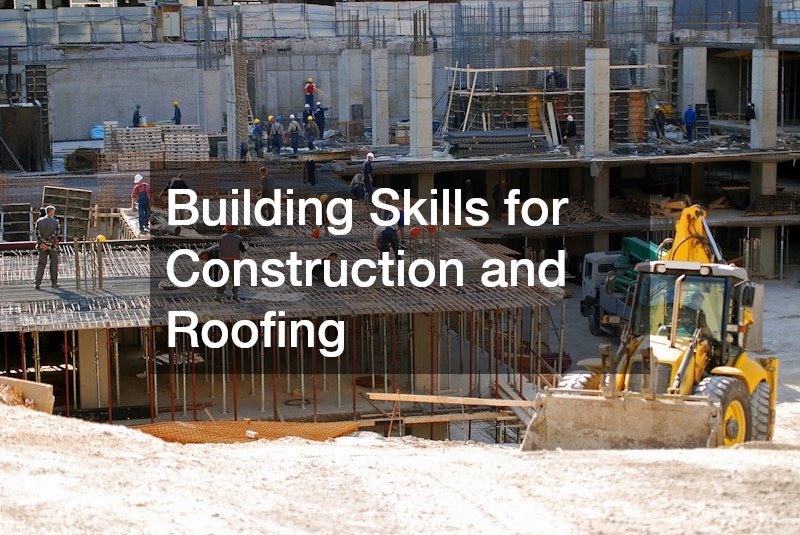
Construction careers demand technical knowledge, project management skills, and hands-on experience. Roofing contractors must understand structural principles, materials, and safety procedures to deliver durable, code-compliant work. A basement finishing company, on the other hand, focuses on interior construction projects, including drywall installation, flooring, and even minor plumbing or electrical adjustments.
While formal degrees in construction management can be helpful, much of the learning occurs on-site. Safety certifications, like OSHA courses, and specialized construction training improve employability and credibility with clients. Understanding client expectations, project timelines, and budgeting is equally important to ensure smooth operations and repeat business.
Mastering Construction Techniques and Safety Practices:
- Volunteer for small-scale remodeling or home improvement projects to gain practical skills.
- Document safety compliance for each project to showcase professionalism.
- Attend trade expos to learn about new materials, tools, and methods.
- Develop accurate cost-estimation techniques for budgeting projects efficiently.
By combining technical knowledge, hands-on experience, and a commitment to safety and project management, construction professionals and roofing specialists can build successful careers with strong reputations. Continuous learning and attention to detail are key to thriving in this competitive industry.
Legal Careers and Specialized Law Education
A career in law requires dedication to education and specialization. Working at a personal injury law firm in Jacksonville, FL, involves understanding tort law, insurance claims, and litigation procedures. Specialized attorneys, such as motorcycle accident lawyers, often focus their studies and internships on accident-related cases to gain practical experience and build expertise in a specific area of law.
Law students should combine classroom learning with internships or clerkships to acquire hands-on exposure to courtroom procedures, client management, and case research. This approach helps develop skills necessary for both litigation and negotiation, ensuring graduates are prepared for the demands of legal practice.
Gaining Real-World Experience in Legal Specializations:
- Build a case-study portfolio during internships to showcase analytical skills.
- Attend mock trials or mediation workshops to gain confidence in courtroom settings.
- Network with practicing attorneys in personal injury and accident law.
- Stay updated on continuing legal education trends to anticipate changes in law.
By actively combining formal education with practical experience, aspiring attorneys can develop the expertise and confidence needed to succeed in specialized legal fields. A focus on continuous learning, networking, and professional development helps ensure a long-lasting and rewarding career in law.
Mental Health and Rehabilitation Careers
Mental health and rehabilitation careers, particularly in outpatient intensive programs or addiction recovery centers, require formal education and supervised clinical experience. Degrees in counseling, social work, or psychology are essential, followed by licensing exams that validate competency and ensure that professionals are prepared to provide high-quality care.
Specialized training in evidence-based therapies and addiction recovery enables practitioners to manage complex cases and support clients effectively. Developing strong communication, empathy, and crisis management skills is equally important for building trust with clients and achieving successful outcomes. Practical experience gained through internships, volunteer opportunities, or supervised clinical hours is critical for translating academic knowledge into real-world practice.
Developing Core Competencies for Rehabilitation Professionals:
- Practice motivational interviewing and crisis intervention techniques.
- Keep a reflective journal to monitor client progress and self-growth.
- Join professional associations for access to research, resources, and networking.
- Attend workshops focusing on behavioral interventions and evidence-based therapies.
By combining formal education, hands-on experience, and ongoing professional development, mental health and rehabilitation professionals can provide effective care while advancing their careers. Continually refining skills and staying informed about emerging therapies ensures long-term success in this dynamic and impactful field.
Landscaping and Outdoor Service Careers
Landscaping and outdoor service roles require creativity, horticultural knowledge, and practical skills. Landscaping contractors need training in plant care, irrigation systems, design principles, and environmental regulations. Some formal training can come from vocational programs, while experience is often gained through apprenticeships or hands-on work.
Occasionally, landscaping contractors intersect with basement finishing companies when creating walk-out basements, terraced gardens, or outdoor living spaces, requiring both indoor and outdoor design coordination. Knowledge of project management, client communication, and sustainable practices further enhances career prospects and ensures projects are completed efficiently and to client satisfaction.
Hands-On Projects and Design Skills for Landscapers:
- Develop seasonal portfolios to showcase landscaping projects and design versatility.
- Learn about local plant species and climate-specific gardening methods.
- Use design software for planning and 3D visualization of outdoor spaces.
- Attend sustainable landscaping seminars to implement eco-friendly practices.
By combining creativity, technical knowledge, and hands-on experience, landscaping contractors can build successful, long-lasting careers. Continually refining skills, staying informed about environmental trends, and maintaining strong client relationships help professionals thrive in this competitive and rewarding field.
Strategies for Balancing Work, Education, and Career Growth
Many skilled trades and professional service careers require managing education alongside practical work experience. Online courses, flexible schedules, and mentorships can help individuals maintain momentum without sacrificing one area for another. Balancing multiple responsibilities effectively requires planning, discipline, and a focus on both short-term tasks and long-term career goals. Professionals must develop time-management strategies, prioritize tasks, and remain adaptable to changing demands, especially when juggling multiple certifications, apprenticeships, or client projects.
Beyond scheduling, effective balancing includes understanding personal learning styles and incorporating them into daily routines. For example, some individuals may benefit from structured study blocks early in the morning, while others prefer hands-on practice during the day and reflection in the evenings. Leveraging technology, such as productivity apps, online tutorials, and virtual simulations, can enhance learning while minimizing disruptions to work responsibilities. Regularly reviewing progress and adjusting strategies ensures that goals remain achievable and aligned with career growth.
Time Management and Learning Techniques for Career Advancement:
- Design a weekly schedule to balance coursework, hands-on practice, and rest.
- Set milestones for certification completion and skill acquisition.
- Explore online labs or virtual simulations to enhance practical knowledge.
- Combine mentorship with classroom learning for accelerated professional development.
- Maintain a career journal to track progress and identify improvement areas.
- Schedule regular check-ins with supervisors or mentors to stay accountable.
- Break large projects or learning goals into smaller, manageable tasks to reduce overwhelm.
By implementing structured routines, leveraging modern learning tools, and setting clear, actionable goals, professionals can successfully balance education, work, and skill development. Maintaining consistent focus, reflecting on progress, and adapting strategies as needed ensures continued growth and positions individuals for long-term career advancement, even in demanding and rapidly evolving fields.
Leveraging Education for Long-Term Career Success
Education is only the foundation for long-term professional growth. Continuous skill development, networking, and professional development are essential to stay competitive in today’s job market. Building on your formal education through practical experience, certifications, and ongoing learning ensures your career remains adaptable and resilient in the face of changing industry demands. Professionals who invest in lifelong learning are better positioned to respond to technological advances, shifting market needs, and evolving industry standards.
In addition to technical skills, soft skills such as communication, leadership, and problem-solving are increasingly important. Employers and clients value professionals who can collaborate effectively, manage projects, and navigate complex situations. Expanding your skill set through workshops, online courses, or advanced certifications can make a substantial difference in career trajectory.
Expanding Skills and Opportunities Beyond Formal Education:
- Seek cross-industry opportunities where your skills are transferable, such as project management, client relations, or digital technology applications.
- Mentor or consult to reinforce your expertise while giving back to the field and building your professional reputation.
- Build a professional network to connect with potential clients, collaborators, or employers, and actively participate in industry events.
- Explore entrepreneurial ventures, such as starting your own trade, consultancy, or service-based business, leveraging your knowledge and experience.
- Regularly evaluate career goals and pursue certifications or training that align with evolving interests, ensuring your skills remain relevant.
By continually expanding skills, seeking new opportunities, and actively engaging with your professional network, you can maximize the value of your education and position yourself for long-term career success. Remaining proactive, adaptable, and curious not only keeps your abilities current but also creates new avenues for growth, advancement, and lasting professional achievement. Making education an ongoing journey rather than a one-time milestone allows you to remain competitive, resilient, and prepared for the opportunities of tomorrow.
Understanding the education requirements for different careers is essential for long-term success. Skilled trades, healthcare, legal services, and professional services each have unique pathways, combining formal education with hands-on experience.
By carefully planning your education, gaining practical experience, and committing to ongoing professional development, you can position yourself for a fulfilling and prosperous career. Taking the time to research, invest in learning, and strategically build your skills will pay dividends in both opportunities and personal satisfaction.