

Modern education is shifting away from theory-only learning and moving closer to real-world application. You see this change across many industries where employers want people who can step into a role and contribute right away. Practical education focuses on doing, not just memorizing. It builds confidence, strengthens decision-making, and prepares you for situations that cannot be fully captured in a textbook.
Preparing for Real World Success
Instead of relying only on lectures, practical learning places you in environments where you practice real tasks. This approach helps you understand not only what to do, but why it matters. Over time, that understanding becomes the foundation of a stronger, more stable career path.
You also begin to develop a sense of responsibility earlier in the learning process. You are not just preparing for an exam; you are preparing for real interactions, real outcomes, and real expectations. That shift changes how you approach growth. It becomes less about short-term performance and more about long-term capability.
Learning by Doing in Early Career Paths
Early exposure to hands-on training often shapes how you approach work for the rest of your life, including in fields like veterinary medicine. Fields that involve structured skill development show how much growth comes from direct experience.
In a veterinary school environment, you are not only learning techniques but also working with real tools and practicing on animals. You learn timing, sanitation, and how to adjust your approach based on different species or health conditions. Mistakes become part of learning, and correction happens in real time rather than on paper.
The same applies in esthetician schools, where skin care treatments, hygiene practices, and client interaction are taught through repeated, guided application. Just as future veterinarians gain insights into animal care, esthetician students begin to understand how small adjustments in pressure, product choice, or communication can completely change outcomes for a client.
This kind of training builds habits that stay with you long after graduation. You begin to understand pacing, attention to detail, and client communication in a real setting, whether dealing with pet owners in a veterinary clinic or clients in a beauty salon. You also learn how to stay calm under observation, which mirrors real workplace conditions.
Over time, learners often notice:
– Faster confidence when repeating core tasks
– Better muscle memory for technical procedures
– Reduced hesitation when working with real clients or animals
– Stronger awareness of hygiene and safety routines
These early experiences often set the tone for how you handle responsibility in future roles, whether in veterinary practice or other professional settings.
Hands-On Training and Life Skills Development
Some of the most valuable education happens outside traditional classrooms. Life skills are often developed in structured environments where real-world scenarios are practiced.
A driving class is a clear example of this. You do not just study road rules; you apply them while navigating actual traffic conditions. You learn to react to unpredictable drivers, weather changes, and road signals in real time. That combination of awareness and decision-making builds confidence that cannot come from reading alone.
In a similar way, an adult dance lesson goes beyond movement. It builds coordination, rhythm, discipline, and even stress management. You learn how to follow instructions, adjust to feedback, and improve through repetition. It also teaches patience with your own progress, especially when coordination takes time to develop.
These experiences strengthen more than just technical ability. They develop personal discipline and adaptability that carry into professional environments.
You often begin to notice:
- Improved ability to stay focused under pressure
- Faster adjustment when instructions change
- Better coordination between thought and action
- Increased patience during skill development
These are not just personal benefits. They directly influence how effectively you perform in structured work settings later on.
Service-Based Learning and Community Exposure
Education becomes more powerful when it connects directly to community experiences. Service-based environments teach responsibility, communication, and consistency.
When going to beauty school or a beauty salon, you are exposed to real client expectations. Every appointment requires preparation, communication, and execution within a set timeframe. You learn how to manage conversations while delivering technical services without losing focus.
A local beauty salon often adds another layer by showing how small businesses operate within a community. Unlike large institutions, reputation is built one interaction at a time. That creates pressure to maintain consistency and professionalism in every appointment.
This type of environment teaches you how to balance technical skill with customer service. You are not only performing a task; you are also shaping someone’s experience and satisfaction.
As you spend more time in these settings, you begin to understand:
- How the tone of communication affects client comfort
- Why punctuality impacts trust and repeat business
- How small details influence overall satisfaction
- The importance of consistency across all services
These lessons are critical for any career that involves direct interaction with people.
Athletics and Discipline in Skill Building

Physical training environments play a major role in shaping discipline and focus, illustrating how consistency and practice lead to long-term improvement. A tennis academy is a structured example of this process, where training encompasses a variety of elements essential for success in the sport.
In this environment, athletes engage in the repetition of core movements, which fosters muscle memory and ensures that they execute techniques with precision during matches. Alongside physical skills, strategy development becomes a key focus; players learn to analyze opponents, adapt their techniques in real-time, and devise game plans tailored to different styles of play. This strategic mindset is complemented by mental conditioning, where athletes practice techniques to maintain focus and composure throughout extended matches, even under high pressure.
What makes this type of training environment truly powerful is its deep-rooted emphasis on discipline rather than the pursuit of immediate results. Progress isn’t judged by a single training session or match outcome; instead, it is measured across weeks and months. This long-term perspective teaches athletes the value of persistence and incremental improvement.
In this setting, individuals are encouraged to accept feedback without defensiveness, fostering a growth mindset. Constructive criticism is viewed as a valuable tool for development rather than a personal attack. Moreover, athletes learn to build endurance through consistent practice, pushing themselves to perform at their best even when faced with fatigue. Staying focused during high-pressure situations becomes essential, as it directly influences performance in critical moments of a match.
Additionally, this training emphasizes the importance of breaking long-term goals into smaller, manageable improvements. Athletes recognize that achieving significant milestones is often the result of numerous small steps, making large ambitions feel more attainable and motivating.
These habits and skills extend far beyond the realm of sports. The discipline and focus developed in a tennis academy influence how individuals approach deadlines at work, navigate performance reviews, and pursue long-term career goals. By instilling these habits, the training environment leaves a lasting impact on various aspects of life outside of sports.
Care and Responsibility in Professional Training
Some career paths require a deeper level of responsibility because they involve the well-being of others. Practical education in these areas emphasizes trust, accuracy, and ethical behavior.
In veterinary training, you are working with animal health, diagnostics, and care routines. You learn to observe behavior, identify symptoms, and respond with precision. Emotional control is important, especially in situations involving stress or urgency.
A childcare program introduces another level of responsibility. You are taught how to supervise, guide, and support children in a safe environment. This requires patience, structure, and strong communication with both children and guardians.
Both environments teach you that decisions carry weight. You cannot act carelessly, and you must remain aware of safety at all times.
Key lessons often include:
- Maintaining attention during long or repetitive tasks
- Communicating clearly with concerned individuals
- Following structured care and safety procedures
- Staying calm during unexpected situations
These experiences shape a mindset centered on accountability and reliability.
Personal Care and Creative Expression Fields
The creative and personal care industries are deeply rooted in hands-on learning, as they blend technical skills with artistic judgment. In a nail salon, for instance, the precision you exercise is matched only by the creativity you express in your daily work. Each appointment involves a delicate balance where understanding color theory, design principles, and hygiene standards is essential. You constantly find yourself navigating the fine line between technical execution and personal interaction, ensuring that each client leaves satisfied with both the service and the overall experience.
One of the most enlightening aspects of working in this environment is the realization that no two clients are alike. Each individual brings their own set of preferences and expectations, requiring you to adapt your approach accordingly. This dynamic setting fosters a sense of flexibility and enhances your problem-solving skills, as you learn to tailor your techniques to suit different tastes and desires.
Moreover, as you immerse yourself in this role, you cultivate a strong attention to fine detail. Whether it’s perfecting a nail design or ensuring that products are applied with precision, the importance of meticulousness becomes second nature. This attention to detail not only boosts your confidence in making creative decisions but also instills in you the ability to manage your time effectively during appointments.
Clear communication plays a pivotal role as well. Engaging with clients about their design expectations helps bridge the gap between their vision and your execution, ensuring a collaborative process that enhances customer satisfaction.
The skills honed in this environment—attention to detail, creative decision-making, time management, and effective communication—are highly transferable. They can easily be applied across various service and creative industries, enriching your professional journey and opening up a wealth of opportunities.
Confidence Growth Through Real Experience
Confidence in the workplace develops through a combination of repetition and exposure to real tasks. When you consistently engage in practical activities, the initial feelings of uncertainty begin to diminish over time. This gradual process is essential for personal and professional growth.
Practical learning plays a crucial role in bridging the gap between knowing and doing. Instead of merely guessing how something works based on theoretical knowledge, you actively engage in the experience itself. This hands-on approach not only reduces fear but also fosters a sense of independence, allowing you to take initiative and make decisions with greater assurance.
As you accumulate more experience, you start to trust your own judgment more deeply. This newfound trust is especially important when you find yourself working without constant supervision. It empowers you to tackle challenges head-on and make choices that align with your understanding of your responsibilities and the organization’s goals.
Over time, you may notice several significant improvements in your professional capabilities. For instance, you might find that your decision-making speed during tasks increases, enabling you to respond swiftly and effectively to various situations. You will also likely feel more comfortable when faced with unfamiliar scenarios, as your practical experiences have equipped you with tools to handle the unexpected.
Additionally, your ability to recover from small mistakes becomes more pronounced. Instead of being deterred by setbacks, you learn to view them as opportunities for growth and learning. This resilience is vital in any work environment. As you embrace new responsibilities, your willingness to take them on increases, driven by the confidence you’ve built through experience.
Finally, the confidence cultivated through real-world experience tends to endure longer compared to confidence based solely on theoretical knowledge. This lasting confidence is firmly rooted in tangible outcomes and successes, rather than abstract concepts, making it a more reliable foundation for your ongoing development in the workplace.
Mentorship and Feedback in Skill Development
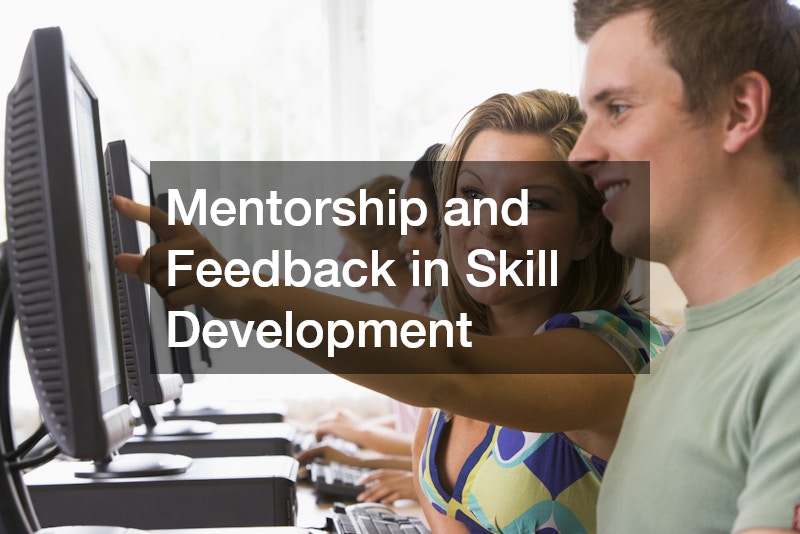
One of the strongest advantages of practical education is immediate feedback. Instead of waiting for exams or evaluations, you receive guidance while you are actively performing tasks.
Mentors play a key role in shaping how you improve. They observe your work, correct mistakes, and demonstrate better approaches in real time. This shortens the learning curve significantly.
Feedback also helps you understand expectations more clearly. You begin to see what separates average performance from strong performance.
This process helps you:
- Identify and correct mistakes early
- Understand professional standards more clearly
- Build better habits through repetition
- Gain clarity on long-term improvement goals
Over time, this creates a stronger connection between learning and performance.
Adapting Skills to Changing Work Environments
Work environments are not static. Tools, expectations, and processes change over time. Practical education prepares you for that reality by encouraging adaptability.
When you are used to hands-on learning, you become more comfortable adjusting your approach. Instead of relying on a single method, you learn to evaluate situations and respond accordingly.
This adaptability is valuable because it helps you remain effective even when conditions shift.
It supports you in:
- Learning new tools faster
- Adjusting to updated procedures
- Working in different team structures
- Handling unexpected challenges with less stress
Adaptability becomes one of the strongest long-term advantages in any career path.
Long-Term Impact of Practical Education
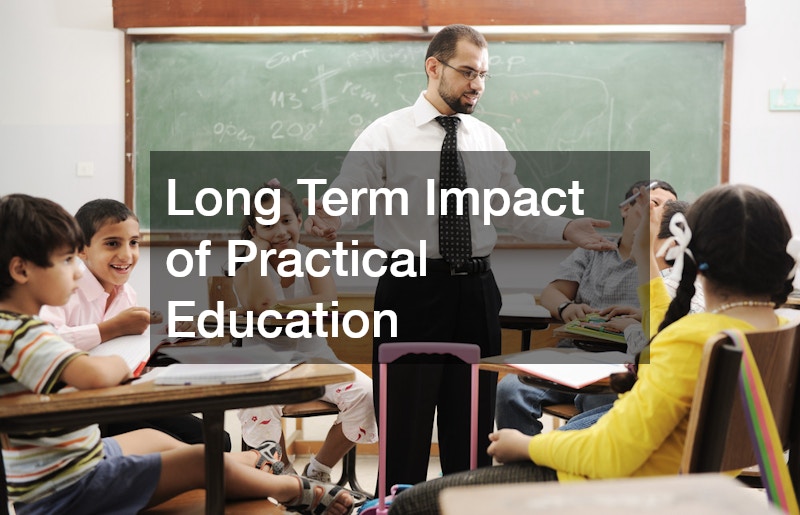
Over time, practical education shapes more than just career skills. It influences how you think, solve problems, and approach challenges.
You begin to value experience as much as knowledge. You also develop a mindset focused on improvement rather than perfection. That mindset supports steady growth in both professional and personal areas.
The long-term result is a stronger foundation built on real ability, not just theory. You become more prepared for real-world expectations, more confident in your decisions, and more capable of adapting to change.
