


Selecting an early childhood environment is a critical decision. High-quality centers blend responsive caregiving with research-backed cognitive, social, and physical developmental frameworks. Because a child’s brain forms millions of neural connections every second during the first few years, these early experiences lay the foundation for all future academic success. Evaluating options requires an analytical eye. This guide provides a direct operational blueprint for screening local early care options, analyzing methodologies, and ensuring top-tier enrichment.
The Architecture of Early Childhood Development
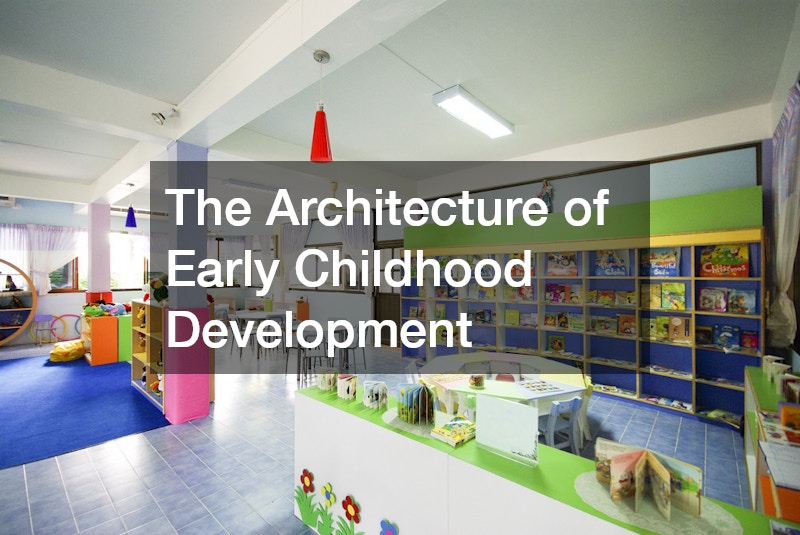
Analyzing Pedagogical Frameworks and Play-Based Milestones
Your primary focus must be the underlying pedagogical philosophy directing the classroom. Premium programs deploy structured curricula rooted in development theories like Montessori, Reggio Emilia, or Waldorf. The curriculum should outline explicit goals for language, self-regulation, and motor skills.
High-performing programs utilize purposeful, scaffolded play to build cognitive frameworks. For example, math concepts are introduced by stacking hardwood blocks, while early literacy is cultivated through language-rich storytelling, rhyming games, and interactive read-aloud sessions that expand a child’s vocabulary before formal reading begins. This baseline sets the trajectory for early education milestones.
Inquire About Curriculum Licensing:
Ensure the framework is state-approved and research-validated.
Observe Child Autonomy Metrics:
Note whether children choose their own learning materials from open shelves.
Evaluate Language Exposure Layers:
Look for print-rich environments where classroom items are clearly labeled with text.
Physical Environment and Ergonomic Spatial Design
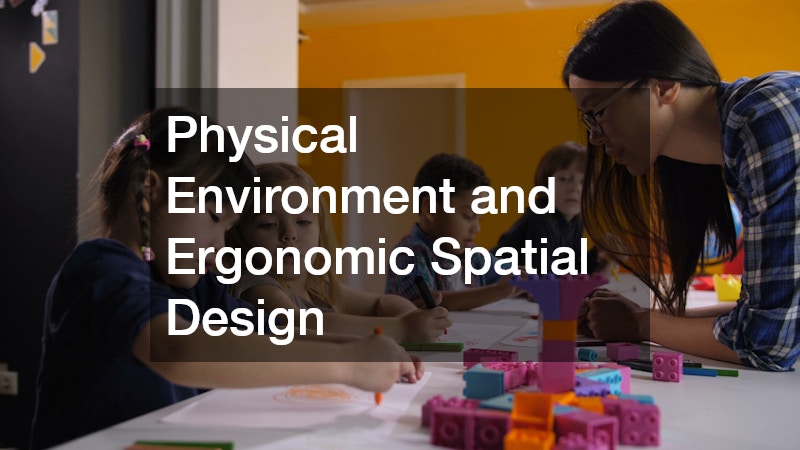
Evaluating Classroom Layouts for Kinetic and Collaborative Learning
The physical environment acts as a silent teacher, profoundly impacting student behavior, concentration, and emotional regulation. Classrooms should feature distinct learning zones: a quiet reading corner, sensory water stations, a dramatic dress-up area, and block-building spaces. This prevents overlapping noise and physical disruptions.
The physical infrastructure must match pediatric ergonomic needs. Sourcing adaptive k 12 education furniture that scales down to early childhood dimensions is an essential hallmark of an intentional space. Desks and tables must be modular to transition between independent sensory work and collaborative group projects. Chairs should provide proper posture support, keeping feet flat on the floor to reduce physical restlessness.
Inspect Material Accessibility Levels:
Verify toys and books are housed on low, open shelving units.
Assess Sensory Lighting Configurations:
Look for spaces that maximize natural daylight and use warm LED fixtures.
Check Material Integrity Standards:
Confirm furnishings are constructed from non-toxic, sustainable hardwoods.
Vetting Community-Level Care Options
Conducting Rigorous Site Visits and Assessing Staff Interactions
The true value of any program is determined by the live, everyday interactions between staff and children. When evaluating local day care centers, schedule visits during active morning learning blocks rather than nap hours. Observe how teachers co-regulate emotional distress, manage energy shifts, and facilitate peer socialization. Watch if teachers kneel down to eye-level when speaking and respond promptly to non-verbal cues.
A rigorous vetting process also requires analyzing administrative stability. High teacher turnover rates are a major red flag, as secure attachments are fundamental to a child’s psychological safety. Ask directors about staff retention rates, continuous professional development, and minimum credentialing requirements. A center that invests in its workforce delivers a more stable educational experience.
Calculate Active Care Ratios:
Verify the facility strictly enforces or exceeds state-mandated teacher-to-child ratios.
Audit Teacher Credentialing Metrics:
Inquire about the percentage of lead teachers holding Child Development Associate (CDA) credentials.
Verify Family Partnership Channels:
Confirm how the center shares daily updates, such as through digital software portals.
Holistic Enrichment and Extracurricular Integration
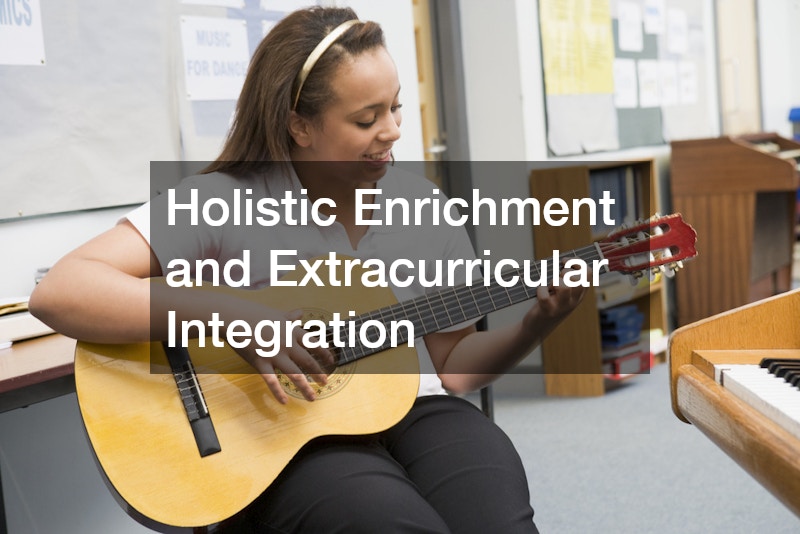
Assessing Supplemental Activities for Motor Skill and Social Growth
A comprehensive curriculum extends beyond basic classroom boundaries to offer a diverse ecosystem of holistic enrichment. When evaluating care programs, analyze how the facility integrates specialized kids programs into their weekly schedule. These supplemental modules—ranging from foreign language immersion to music theory—should be woven seamlessly into the day rather than treated as after-thought distractions. They provide sensory novelties that stimulate diverse brain regions.
Outdoor play should be an intentional extension of the indoor environment. Look for nature-based playgrounds with varied physical topography, climbing logs, and sensory gardens that encourage physical risk-taking within a safe environment. These outdoor blocks build foundational spatial awareness, executive functioning, and collaborative social skills.
Analyze Fine Arts Integration:
Look for dedicated art zones where children access raw, open-ended materials like clay.
Evaluate Music and Cadence Programs:
Ensure the schedule includes structured rhythm sessions linked to language processing.
Verify Outdoor Exposure Minimums:
Ensure the program guarantees sixty to ninety minutes of outdoor learning daily.
Transition Pipelines and Academic Readiness
Preparing Early Learners for the Structural Shift to Primary Schooling
The ultimate trajectory of early care must point toward successful primary school integration. Ask the program director to detail their specific transition pipeline strategies. A high-quality curriculum changes dynamically as a child approaches age three and four, shifting to mirror the requirements of a high-performing preschool environment. This transitional curriculum introduces lengthier story circles and multi-step creative projects to build focus stamina.
Furthermore, the curriculum must foster foundational cognitive and literacy blocks without resorting to high-pressure academic drilling. Evaluate how the program introduces phonics and emergent mathematical patterns through hands-on, tactile experiences. For instance, counting should be taught using physical items, while phonics should be integrated into playful rhyming songs. This ensures children enter their next educational phase with a joyful love of learning.
Review Transition Portfolio Metrics:
Check if the center maintains data-driven portfolios that track milestones over multiple years.
Assess Independent Self-Care Training:
Ensure the curriculum features milestones for teaching autonomous tasks like independent handwashing.
Inquire About School District Alignment:
Confirm that the center coordinates its exit standards with local kindergarten entry expectations.
Integrating Gross Motor Development and Kinesthetic Play
Utilizing Structured Physical Movement to Boost Spatial Awareness
Pediatric neuroscience establishes a direct biological connection between gross motor development and long-term cognitive processing. Activating the vestibular and proprioceptive systems through balance, rolling, and climbing builds neural pathways required for advanced spatial reasoning and early mathematics comprehension. Therefore, an exemplary curriculum must feature a structured physical movement module. Programs that integrate introductory recreational gymnastics into their weekly physical education blocks provide children with an unmatched foundation for both physical and cognitive growth.
When evaluating these kinesthetic spaces, look for advanced safety padding, varied geometric foam structures, balance beams, and specialized climbing walls tailored for early childhood scale. These spaces should be directed by coaches who understand childhood mechanics, focusing on bilateral coordination and core strength. This builds bodily confidence, translating directly into enhanced focus and calm emotional regulation when children return to the standard classroom.
Audit Physical Safety Underpinnings:
Ensure high-energy movement zones utilize thick, impact-attenuation foam padding.
Observe Bilateral Movement Tracking:
Note whether the physical curriculum includes exercises for crossing the body’s midline.
Check Equipment Scale Suitability:
Confirm that balance beams and bars are engineered for early childhood heights.
Evaluating Daycare Operational Models and Care Tiers
Analyzing Service Delivery Structures and Administrative Integrity
Beyond pedagogy, families must evaluate the operational logistics and structural integrity of the business model. Centers generally fall into three categories: home-based care, corporate franchises, and community non-profit operations. Selecting the ideal daycare service for your family requires aligning your household’s schedule with the center’s explicit care tiers, emergency closing policies, drop-in flexibilities, and late pick-up penalty frameworks.
Administrative transparency is a non-negotiable metric of a trustworthy center. Request a comprehensive, written parent handbook that explicitly details all tuition fee schedules, registration costs, and supply fees. Furthermore, analyze how the facility manages nutritional programming. High-performing facilities employ dedicated kitchen staff who prepare nutrient-dense menus free from excessive processed sugars and common allergens, ensuring that brain development is fueled by optimal nutrition throughout the active learning day.
Review Comprehensive Parent Handbooks:
Ensure the facility provides a legally binding handbook detailing all operational procedures.
Verify Mandatory Sanitization Cycles:
Review documented cleaning logs, ensuring shared toys undergo medical-grade sanitization daily.
Evaluate Nutritional Menu Compositions:
Choose facilities that publish weekly menus emphasizing fresh whole fruits and lean proteins.
Grassroots Resource Management and Equity in Funding
Leveraging Philanthropic Networks to Enhance Classroom Materials
Early childhood centers frequently face severe operational margin pressures driven by rising real estate values and staffing costs. To counter these financial strains without constantly passing the tuition burden directly onto families, high-performing non-profit and community-based centers establish active philanthropic networks. Centers that aggressively court local donations can utilize these external capital injections to continually modernize their inventory of educational books, sensory materials, and outdoor playground structures, guaranteeing an elite learning environment regardless of systemic funding shortfalls.
Furthermore, a care center’s fundraising infrastructure serves as an accurate proxy for its overall community integration and equity values. Look for centers that utilize charitable donations to fund internal sliding-scale tuition scholarships for underserved families within the surrounding neighborhoods. This philanthropic model creates a diverse classroom dynamic that reflects the fabric of the broader community. Exposure to a diverse peer group early in life cultivates profound levels of empathy, social negotiation skills, and cross-cultural literacy, delivering an invaluable social-emotional education.
Inquire About Non-Profit Corporate Status:
Check if the center operates as a certified 501(c)(3) entity for tax-deductible contributions.
Assess Classroom Material Freshness:
Note whether the books, puzzles, and building sets are fresh and updated regularly.
Check for Sliding-Scale Tuition Options:
Prioritize centers providing subsidized care slots for low-income working families.
Health Protocols and Medical Compliance in Early Care

Aligning Classroom Practices with Modern Preventative Medicine
An exceptional center must operate with the clinical precision of a medical facility when managing physical health. Because young children possess developing immune systems, shared early care spaces can rapidly become vectors for disease transmission if rigorous counter-measures are not strictly enforced. Carefully analyze the center’s written medical exclusion policies. High-performing centers enforce a strict, zero-tolerance policy requiring children to remain fever-free and symptom-free for a full twenty-four to forty-eight hours without the assistance of fever-reducing medications.
Furthermore, your operational vetting should verify that the center’s medical guidelines are fully aligned with the advanced preventative care standards established by the field of Pediatrics. Every staff member must hold current, verifiable certifications in pediatric first aid, cardiopulmonary resuscitation (CPR), and automated external defibrillator (AED) utilization. The facility must feature dedicated, locked medical lockboxes for individual prescription medications, epinephrine auto-injectors, and asthma inhalers, backed by explicit, time-stamped administration logs that protect both the child and the center’s liability.
Verify Mandatory Staff Medical Clearances:
Confirm that all center employees undergo background health screenings and immunization portfolio updates.
Inspect Medical Isolation Infrastructure:
Ensure the facility features a supervised isolation zone where a sick child can wait safely away from the group.
Confirm Medical Administration Tracking:
Review forms verifying that two independent administrators sign off on any clinical dosage delivery.
Perimeter Defense and Campus Emergency Preparedness
Fortifying Physical Facilities Against External Threats
The final layer of evaluating a care facility is the absolute fortification of its physical perimeter and the sophistication of its emergency response networks. School safety is a critical priority requiring state-of-the-art technological defense measures. The building must feature a single, locked point of public entry protected by a secure vestibule configuration, preventing unauthorized individuals from gaining direct access to the interior learning corridors.
Premium care centers invest heavily in integrated local security systems that feature high-definition perimeter surveillance cameras, biometric or encrypted keycard access hubs for parents, and direct silent panic links to law enforcement dispatchers. Additionally, review the center’s emergency preparedness manual. The administration must conduct regular, unannounced drills for fire evacuation, severe weather sheltering, and active external threat containment. These drills must be executed with immense sensitivity, ensuring staff is trained to guide young children to safety using reassuring protocols.
Audit Biometric Access Gateways:
Look for facilities utilizing unique fingerprint scanners or encrypted proximity fobs for parental entry.
Inspect Perimeter Fencing Structural Specs:
Ensure outdoor play zones are completely enclosed by heavy-duty commercial fencing with child-proof latches.
Analyze Custody Documentation Vaults:
Confirm how the administration tracks legal custody paperwork to physically block unauthorized individuals from pick-up zones.
Navigating the process of screening early childhood care options requires moving away from emotional guesswork and deploying a multi-faceted analytical framework. An exemplary center is a sophisticated ecosystem where intentional pedagogical design, ergonomic physical infrastructure, stable staffing, and elite safety perimeters operate in harmony. Looking past surface decorations to analyze the operational mechanics of a center’s curriculum and administrative baseline allows families to identify a program that honors the profound potential of early childhood.
The reward of a thorough screening process is the peace of mind that comes from knowing your child is spending their formative years inside an environment engineered to maximize their human potential. Selecting a program that treats early care as a vital developmental science provides your child with an unshakeable foundation for lifelong intellectual curiosity, emotional resilience, and social fluency. Treat this evaluation journey as an investment in your family’s future equity; by holding local providers to absolute standards of excellence, you ensure your child steps confidently onto a luminous path of continuous learning and personal growth across all the miles ahead.