
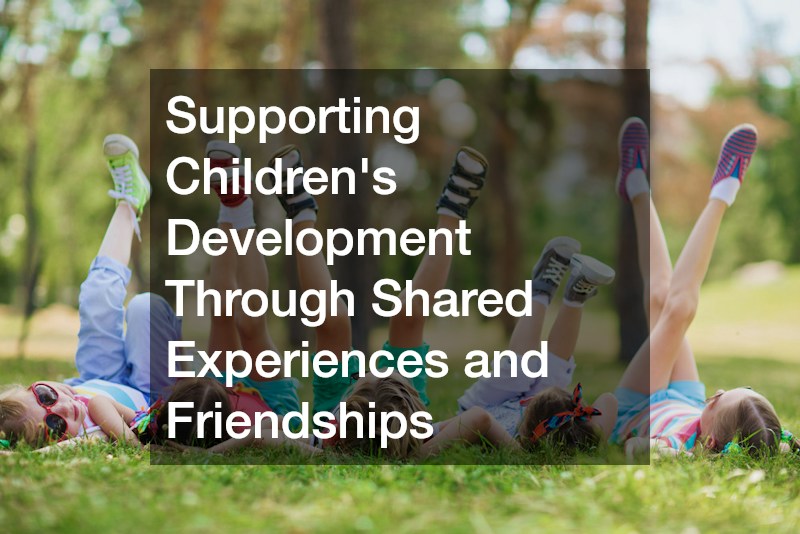

Children develop important social and emotional skills through everyday interactions with family members, classmates, and friends. Shared experiences give them opportunities to communicate, cooperate, solve problems, and learn how to understand different perspectives. They can also help children discover interests and build confidence as they try new activities alongside their peers.
Parents and caregivers play an important role in creating these opportunities. Choosing activities that match a child’s personality, interests, and abilities can make social participation more enjoyable. Some children connect through sports and movement, while others prefer creative projects, community outings, or smaller group activities.
The goal is not to fill every afternoon with scheduled events. Instead, families can create a balance of structured activities and informal opportunities for children to spend time together, develop friendships, and learn from shared experiences.
Help Children Discover Activities That Match Their Interests
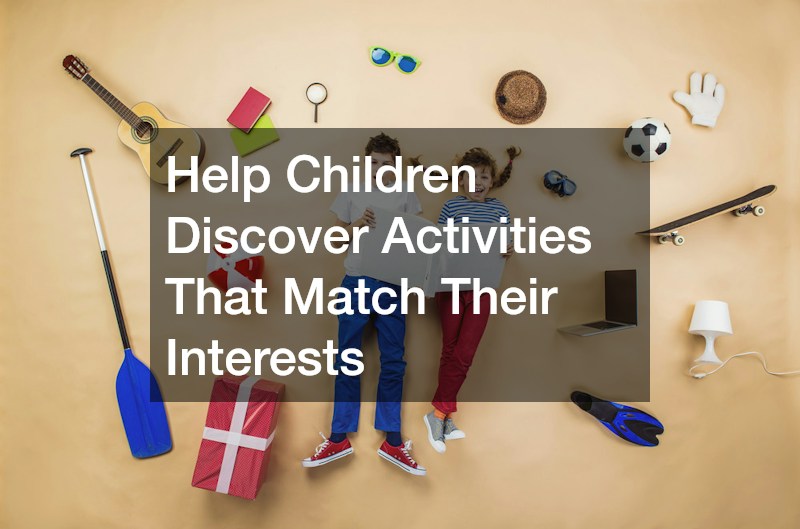
Children are more likely to enjoy group activities when they have a genuine interest in what they are doing. Exploring different hobbies can help them discover their strengths, develop new skills, and meet peers who enjoy similar experiences. Parents can introduce several options while allowing children to have a say in which activities they pursue.
For example, local dance classes can give children opportunities to learn choreography, practise coordination, and participate in group performances. Working toward a shared routine can encourage cooperation and help participants become more comfortable with one another.
When evaluating activities, consider:
- Whether the program matches the child’s age and experience level
- How much individual attention instructors provide
- Whether the atmosphere encourages participation rather than competition
- How the schedule fits around school, rest, and family time
Give children time to adjust when trying something new. They may need several sessions before they feel comfortable interacting with other participants. Focus on enjoyment and personal progress rather than expecting immediate friendships or advanced skills.
Build Confidence Through Active Challenges and New Skills
Physical activities can help children develop coordination, persistence, and confidence. They also create opportunities to encourage one another, share accomplishments, and work through challenges together. Participating alongside peers can make trying something unfamiliar feel more enjoyable.
Programs focused on parkour for kids can introduce age-appropriate movements such as balancing, jumping, climbing, and navigating obstacles. Children can practise these skills while learning to recognize their abilities and respect their physical limits. Qualified instruction and appropriate supervision are important, particularly when activities involve equipment or challenging movements.
Parents can support a positive experience by encouraging children to:
- Begin with basic movements before attempting more difficult challenges.
- Follow instructor guidance and established safety rules.
- Recognize improvement instead of comparing their abilities with others.
- Take breaks when they feel tired or uncomfortable.
Group activities should allow children to progress at different rates. Some may quickly enjoy challenging movements, while others need more time to become comfortable. Encouragement from instructors and peers can help each child feel included without creating unnecessary pressure to perform.
Choose Recreational Settings That Encourage Cooperation
Recreational programs can give children regular opportunities to interact with peers outside the classroom. They learn to follow shared rules, take turns, communicate during activities, and respond to different personalities. These experiences can be especially valuable for children who need practice participating in group settings.
Before enrolling, explore available gym services and determine whether the programs suit your child’s age, interests, and abilities. Some facilities offer group fitness activities, sports instruction, or recreational programs that allow children to develop physical skills while interacting with others.
Look for environments that offer:
- Activities designed for different experience levels
- Instructors who encourage respectful communication
- Opportunities for teamwork and cooperative games
- Clear expectations for behavior and participation
Ask how staff handle disagreements, encourage hesitant participants, and accommodate children who need additional guidance. A welcoming environment should give everyone a reasonable opportunity to participate.
Regular attendance can also make a difference. Seeing familiar peers each week gives children time to become comfortable, recognize shared interests, and develop relationships naturally. Consistency can turn a recreational activity into a meaningful social experience.
Make Shared Meals Part of Positive Social Experiences

Meals can provide a relaxed setting for children to practise conversation and strengthen relationships. Unlike structured classes, dining together allows participants to talk about their interests, share stories, and get to know one another outside an organized activity.
Restaurants can be convenient gathering places after a group outing, during a birthday celebration, or following a recreational program. Parents should consider the group’s needs when choosing a location, especially when several children have different preferences or dietary requirements.
A little preparation can make shared meals easier:
- Review menus to identify suitable food options.
- Consider noise levels and seating arrangements.
- Choose a location that can accommodate the group.
- Discuss expectations for polite behavior and respectful conversation.
Parents can encourage children to participate by asking about their favorite part of the outing or inviting everyone to share something interesting from their day. These simple conversations help children practise listening and taking turns speaking. A comfortable setting and enough time for conversation can create positive memories and help friendships grow beyond the activities that initially brought children together.
Organize Group Outings With Clear Plans and Expectations
Field trips, community events, and recreational outings expose children to new environments while giving them opportunities to share experiences with friends. Visiting an unfamiliar place can encourage curiosity, conversation, and cooperation as children explore together.
For larger groups, a charter bus may be a practical transportation option. Schools, youth organizations, and families can consider this arrangement when coordinating travel to an event or destination. Before making plans, confirm the transportation provider’s capacity, scheduling options, and arrangements for the group’s needs.
Prepare children for the outing by:
- Explaining the destination and schedule in advance
- Establishing clear behavior and safety expectations
- Identifying adults responsible for supervision
- Reviewing pickup locations and meeting points
- Discussing what children should bring
Travel time can also become part of the shared experience. Children might play appropriate group games, talk with classmates, or discuss what they hope to see at the destination. Adults should keep the schedule realistic and allow enough time for transitions. Clear plans reduce confusion and make it easier for children to focus on enjoying the experience with their peers.
Encourage Creativity Through Collaborative Projects
Creative activities give children another way to express themselves and connect with others. Working on a shared project encourages them to exchange ideas, listen to suggestions, divide responsibilities, and appreciate different approaches. These experiences can be especially helpful for children who feel more comfortable communicating through hands-on activities.
A group screen printing project, for example, can introduce participants to design concepts, colors, and visual creativity. With suitable equipment, materials, and adult supervision, children can contribute ideas and see how individual decisions become part of a finished design.
To organize a collaborative project:
- Choose a theme that gives everyone room to contribute.
- Provide age-appropriate materials and clear instructions.
- Let children suggest designs and discuss their preferences.
- Assign tasks so each participant has a meaningful role.
- Set aside time to review and celebrate the finished work.
Avoid making the project dependent on one child’s ideas or abilities. Encourage participants to consider different suggestions and find ways to combine them. Displaying completed work or sharing it with family members can give children a sense of accomplishment. More importantly, they can remember the experience as something they created together.
Use Shared Designs to Strengthen Group Identity

Participating in a school club, recreational group, or community activity can give children a sense of belonging. Shared symbols and creative choices can reinforce that connection, particularly when children help decide how their group represents itself.
Custom apparel can be one way to create a visual connection between participants. Matching shirts or other group clothing may be appropriate for a school event, performance, team activity, or community project. Involving children in choosing colors, artwork, or design themes can make the process more engaging.
Consider these details when planning group clothing:
- Select comfortable materials suitable for the activity.
- Offer sizes and styles that accommodate participants.
- Keep costs manageable for families.
- Choose designs that are age-appropriate and inclusive.
- Provide alternatives for children who cannot or prefer not to wear matching items.
The purpose should be to celebrate participation, not create pressure to look or dress a certain way. Children should feel welcome whether or not they have the same clothing as their peers. Giving everyone a voice in the design process can also teach compromise. Children learn that a shared decision may involve combining ideas rather than choosing only one person’s preference.
Expand Social Opportunities Through Community Programs
Children can benefit from meeting peers in settings beyond their usual school or neighborhood routines. Community organizations often provide recreational activities, events, and social opportunities that allow children to explore interests and develop connections with different groups.
A country club may offer family-oriented recreation, youth programs, sports, or organized events. Parents can review the available activities to determine whether the environment fits their child’s interests and whether participation is practical for the family.
When evaluating a community program, consider:
- Which activities are available for your child’s age group
- Whether children have opportunities to participate together
- How supervision and safety are handled
- What accessibility and participation requirements apply
- Whether the schedule allows for consistent attendance
Recurring activities can help children recognize familiar faces and become more comfortable interacting with other participants. Relationships often develop gradually through repeated conversations and shared experiences.
However, not every child will enjoy the same social environment. Pay attention to how your child responds after attending an event or program. A good fit should provide opportunities for connection without making participation feel stressful or forced.
Address Individual Needs That Affect Participation
Children may face practical challenges that make group activities more difficult. Vision concerns, physical discomfort, or other individual needs can affect how confidently they participate. Parents should pay attention to these concerns rather than assuming a child is simply uninterested or unwilling to join in.
Appropriate eyewear products may support children who need vision correction or protective options for certain activities. Families should consult qualified eye care professionals about suitable choices and any specific recommendations for school, recreation, or sports.
Other ways to support comfortable participation include:
- Choosing equipment and clothing that fit properly
- Discussing activity-specific requirements with instructors
- Teaching children how to care for personal belongings
- Sharing relevant participation needs with responsible adults
- Encouraging children to speak up when something feels uncomfortable
Listen carefully when children explain what makes an activity difficult. Addressing a practical barrier may help them participate more comfortably, communicate with peers, and enjoy experiences they might otherwise avoid.
Support Emotional Well-Being and Healthy Friendships
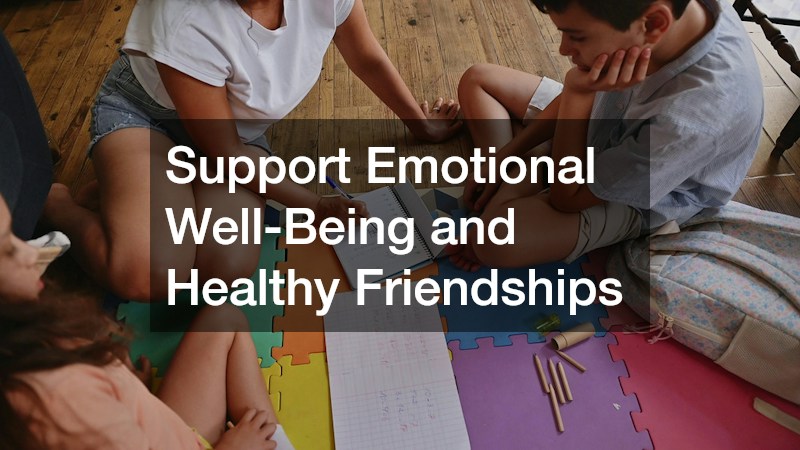
Friendships can contribute to a child’s sense of belonging, but social relationships also involve challenges. Children may experience disagreements, exclusion, uncertainty, or difficulty expressing their feelings. Parents can help by listening, discussing respectful behavior, and giving children opportunities to work through everyday social situations.
When emotional or social difficulties persist and interfere with daily life, mental health services may provide additional support. Qualified professionals can help children understand their feelings, develop coping strategies, and work through challenges affecting their relationships or participation.
Pay attention to patterns such as:
- Ongoing withdrawal from activities the child previously enjoyed
- Persistent distress about school or group events
- Repeated conflicts that are difficult to resolve
- Changes in behavior that affect everyday relationships
Parents can also encourage healthy friendships by teaching children to respect boundaries, communicate honestly, and recognize how their actions affect others. Avoid dismissing concerns or immediately assigning blame when disagreements occur.
Shared experiences can help children develop skills that support them throughout childhood and beyond. Recreational activities, creative projects, community outings, and everyday gatherings give them opportunities to communicate, cooperate, explore interests, and form friendships.
Not every child will enjoy the same activities or feel comfortable in every group. Parents and caregivers should consider individual personalities, abilities, and needs when choosing opportunities for social connection. Giving children some control over their choices can also help them become more confident and independent.
The most valuable experiences are not necessarily the most elaborate or structured. Consistent opportunities to spend time with peers, try new things, and work toward shared goals can make a meaningful difference. By encouraging participation without creating pressure, families can help children build positive relationships and develop a stronger sense of belonging.