

Rehabilitation has become an increasingly important part of modern healthcare as patients seek effective ways to recover from injuries, manage chronic conditions, and improve their overall quality of life. Advances in medical research, technology, and patient care have transformed rehabilitation from a one-size-fits-all approach into a more personalized process designed around individual needs and goals. Today, healthcare providers focus on understanding each patient’s lifestyle, challenges, and recovery expectations to create more effective treatment strategies.
Modern rehabilitation techniques combine traditional methods with innovative approaches that support physical function, independence, and long-term wellness. From helping individuals regain movement after an injury to supporting those managing ongoing health concerns, rehabilitation plays a vital role across many areas of medicine. These developments have also encouraged collaboration among different healthcare professionals, allowing patients to benefit from a more comprehensive approach to recovery.
As healthcare continues to evolve, personalized treatment plans, advanced therapies, and improved patient education are shaping the future of rehabilitation. Understanding these changes can help individuals and healthcare professionals recognize the value of modern recovery strategies and the ways they contribute to better outcomes. By focusing on prevention, restoration, and overall wellness, today’s rehabilitation practices are helping redefine how patients approach recovery and long-term health management.
The Growing Role of Personalized Care in Modern Recovery Programs
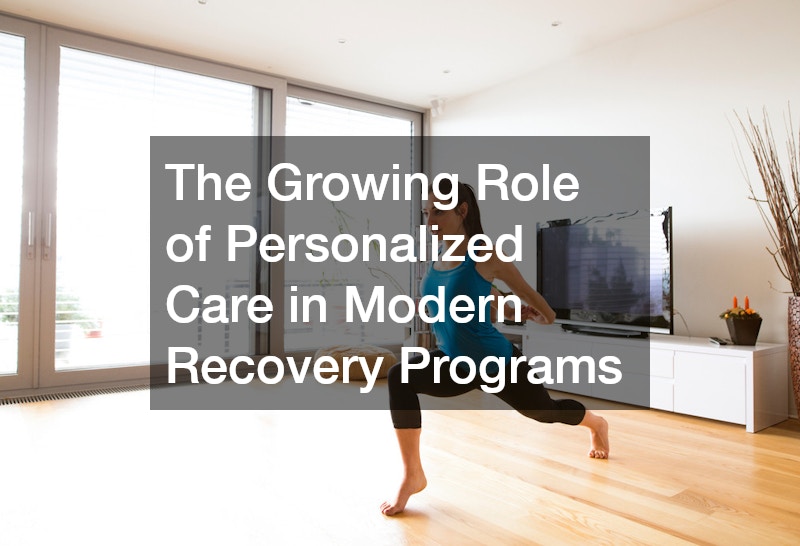
Healthcare has increasingly shifted toward personalized care models that focus on the unique needs of each patient. Rather than relying only on traditional clinic-based treatment schedules, modern recovery programs are designed to provide flexibility, convenience, and individualized support. This approach allows healthcare professionals to consider factors such as a patient’s environment, daily routines, physical limitations, and recovery objectives when creating a care plan.
One major advancement in this area is the growing availability of an at home physical therapy service. These programs allow patients to receive guided rehabilitation in a familiar setting while working toward improved mobility and function. Receiving care at home can be especially beneficial for individuals recovering from surgery, dealing with mobility challenges, or experiencing difficulty traveling to appointments.
Personalized recovery programs also encourage greater patient involvement. When individuals understand their treatment plans and participate actively in their recovery process, they may feel more motivated and confident. Healthcare providers can monitor progress, adjust exercises, and provide recommendations based on changing needs.
The continued growth of personalized care reflects a broader movement within healthcare toward patient-centered solutions. By combining professional guidance with convenience and customization, modern recovery programs are helping make rehabilitation more accessible and effective for a wide range of individuals.
Exploring Integrative Approaches to Pain Management and Patient Wellness
Pain management has evolved beyond addressing symptoms alone. Many healthcare providers now explore comprehensive approaches that consider physical, emotional, and lifestyle factors that may influence discomfort and recovery. Integrative treatments often combine established medical practices with complementary techniques to support overall wellness.
One approach gaining attention is acupuncture, which has been used for centuries and continues to be studied as part of modern healthcare practices. This technique involves the placement of thin needles at specific points on the body and is often used as part of a broader strategy for managing discomfort and supporting relaxation.
Integrative care focuses on creating a balanced treatment plan rather than depending on a single method. For some patients, combining different approaches may provide additional support during recovery. Healthcare professionals typically evaluate each person’s condition, medical history, and goals before recommending treatment options.
As research continues to expand, integrative healthcare approaches are becoming more common in rehabilitation and wellness programs. These methods highlight the importance of addressing the whole person rather than focusing only on isolated symptoms. By incorporating multiple strategies, patients may have more opportunities to participate in a recovery plan that fits their individual needs.
How Musculoskeletal Care Continues to Advance Through Specialized Treatment
Musculoskeletal health plays a significant role in mobility, comfort, and daily function. Conditions affecting muscles, joints, bones, and connective tissues can impact a person’s ability to work, exercise, and complete everyday activities. As medical knowledge has advanced, treatment options for these concerns have become more specialized and focused on long-term improvement.
A chiropractor is one type of healthcare professional involved in supporting musculoskeletal wellness. Chiropractic care often focuses on the relationship between the spine, nervous system, and overall body function. Many patients seek this type of care for concerns related to movement, posture, and physical discomfort.
Modern musculoskeletal treatment often involves evaluating the underlying causes of symptoms rather than simply addressing temporary discomfort. Healthcare providers may consider posture, activity levels, previous injuries, and lifestyle habits when developing recommendations.
Advancements in diagnostic tools and treatment techniques have also improved how providers assess musculoskeletal conditions. By combining clinical evaluations with personalized care plans, professionals can better understand each patient’s needs and recommend appropriate strategies.
The future of musculoskeletal care continues to emphasize prevention, education, and individualized treatment. Helping patients understand their bodies and adopt healthier movement habits is becoming an essential part of long-term wellness.
Innovations in Restoring Function and Improving Daily Activities

Recovery often involves more than reducing discomfort. Many patients need support rebuilding strength, coordination, and the ability to complete everyday tasks. Rehabilitation professionals continue to develop techniques that focus on restoring function and helping individuals return to their preferred activities.
Hand therapy is an important area of rehabilitation focused on improving the use and movement of the hands and upper extremities. Because the hands are involved in many essential activities, injuries or conditions affecting them can significantly impact independence and quality of life.
Treatment plans may include exercises, movement strategies, strengthening activities, and education designed around a patient’s specific challenges. Whether someone is recovering from an injury, surgery, or a condition affecting hand function, specialized rehabilitation can help support progress.
Modern approaches emphasize practical recovery goals. Instead of focusing only on measurements of strength or mobility, providers often consider how improvements translate into real-world activities, such as working, writing, cooking, or participating in hobbies.
As rehabilitation continues to advance, restoring independence remains a primary focus. Innovative techniques and personalized programs are helping patients regain confidence and improve their ability to manage daily responsibilities.
Expanding Rehabilitation Strategies for Greater Independence and Quality of Life
Rehabilitation is not only about physical recovery; it is also about helping individuals participate fully in their daily lives. Many people require support adapting to changes caused by injuries, illnesses, or developmental conditions. This is where comprehensive rehabilitation strategies can make a meaningful difference.
Occupational therapy focuses on helping individuals develop, restore, or maintain skills needed for everyday activities. These activities may include personal care, workplace responsibilities, household tasks, and social participation.
Modern rehabilitation approaches recognize that every person’s needs are different. Providers often evaluate an individual’s environment, routines, and personal goals to create strategies that support independence. This may involve skill-building exercises, adaptive techniques, or recommendations for modifying daily activities.
The field continues to evolve with advancements in technology and healthcare research. New tools and methods allow professionals to provide more personalized support and help patients overcome specific challenges.
By focusing on practical outcomes, rehabilitation programs can improve confidence and quality of life. The goal is not only recovery but also helping individuals achieve greater independence and participate in the activities that matter most to them.
Advancements in Movement-Based Treatment and Patient Recovery
Movement is a fundamental part of overall health, and rehabilitation professionals continue to explore new ways to help patients improve strength, flexibility, and physical function. Modern treatment programs often combine evidence-based exercises with personalized guidance to address specific limitations and recovery goals.
Physical therapy remains a central part of rehabilitation because it supports individuals recovering from injuries, surgeries, and movement-related challenges. Treatment plans are often developed based on a patient’s condition, activity level, and desired outcomes.
Advances in rehabilitation technology have expanded available treatment options. Digital tools, improved assessment methods, and innovative exercise techniques allow healthcare providers to monitor progress and adjust programs more effectively.
Education is another important component of modern movement-based care. Patients who understand how their bodies work and how to perform exercises correctly may be better prepared to maintain progress outside of appointments.
The continued evolution of rehabilitation highlights the importance of active participation. By combining professional expertise with patient involvement, movement-based treatment can support recovery while encouraging healthier habits for the future.
Emerging Wellness Solutions in Hydration and Recovery Support

Healthcare continues to expand beyond traditional treatment methods by exploring new approaches that support overall wellness and recovery. Many individuals are interested in therapies that may complement their health goals and provide additional support during demanding periods.
One growing area of interest is top IV therapy, which involves delivering fluids, vitamins, and other nutrients through intravenous methods. These treatments have become part of broader conversations about hydration, wellness, and recovery support.
As with any healthcare approach, it is important for individuals to consult qualified professionals and understand whether a treatment aligns with their specific needs. Personalized assessments help determine appropriate options based on health history, lifestyle, and wellness goals.
The growing interest in hydration and recovery solutions reflects a larger shift toward proactive health management. People are increasingly looking for ways to support their bodies before challenges arise.
While wellness treatments continue to develop, informed decision-making remains essential. Understanding available options and working with healthcare professionals can help individuals make choices that support their overall well-being.
Understanding New Approaches to Comprehensive Health and Wellness Management
Modern healthcare increasingly emphasizes prevention, education, and comprehensive approaches to wellness. Rather than focusing only on treating individual concerns, many providers look at broader factors that influence health, including lifestyle, nutrition, and personal habits.
Individuals searching for the best detox doctors often want guidance on improving wellness and addressing concerns related to lifestyle choices. Qualified healthcare professionals can help evaluate individual circumstances and provide recommendations based on medical knowledge and patient needs.
Health management is becoming more personalized as providers use improved assessment methods and patient information to create more targeted strategies. This approach helps ensure that recommendations are appropriate and aligned with each person’s goals.
Education also plays a major role in wellness management. Patients who understand how different health factors affect their bodies are better equipped to make informed decisions and maintain healthier routines.
As healthcare continues to evolve, comprehensive wellness strategies will likely remain an important part of patient care. Combining professional guidance, education, and personalized planning can help individuals take a more active role in their health journey.
The Impact of Personalized Treatment Options on Modern Medicine
Personalized medicine has changed how healthcare providers approach treatment by focusing on the individual characteristics of each patient. Advances in research and technology have made it possible to develop more customized solutions that consider specific needs and responses.
Compound medications represent one example of personalized treatment approaches. These medications are prepared to meet specific patient requirements when traditional options may not provide the desired solution. Healthcare professionals may consider factors such as dosage, ingredients, and patient preferences when developing treatment plans.
Customized approaches allow providers to address unique situations more effectively. Instead of relying only on standardized solutions, personalized options can provide additional flexibility within appropriate medical guidelines.
The continued development of personalized medicine demonstrates the importance of individualized care. As healthcare becomes more focused on patient-specific solutions, treatment decisions are increasingly guided by detailed evaluations and collaboration between patients and providers.
This shift represents a significant advancement in modern medicine. Personalized approaches support the broader goal of improving patient outcomes while creating healthcare experiences that better reflect individual needs.
Developments in Scar Care and Advanced Treatment Methods

Advances in healthcare have improved the ways professionals approach skin recovery and scar management. While scars are a natural part of the healing process, many individuals seek treatment options that improve appearance, comfort, or skin function.
A linear scar is one type of scar formation that may develop after an injury, surgery, or medical procedure. The appearance and characteristics of scars can vary depending on factors such as healing patterns, location, and individual biology.
Modern scar care focuses on understanding the healing process and selecting appropriate approaches for each situation. Healthcare providers may evaluate the scar’s appearance, texture, and impact before recommending treatment options.
New techniques continue to expand the possibilities for improving scar outcomes. These developments highlight the importance of personalized care and professional evaluation.
As rehabilitation and healthcare continue to evolve, scar management has become an important part of recovery for many patients. Supporting both physical healing and confidence can contribute to a more complete recovery experience.
The evolution of modern rehabilitation techniques reflects a broader transformation within healthcare toward personalized, patient-centered care. Today’s approaches focus on more than simply treating symptoms; they aim to improve function, encourage independence, and support long-term wellness. Through advancements in therapy, technology, and specialized care strategies, patients have access to more options designed around their individual circumstances.
From recovery programs that adapt to personal needs to innovative approaches that support movement, wellness, and healing, modern rehabilitation continues to expand. Collaboration among healthcare professionals allows patients to benefit from a more complete understanding of their conditions and the available paths toward improvement.
Education remains a key part of this evolution. When patients understand their treatment options and actively participate in their care, they can make more informed decisions about their health. Healthcare providers also continue to refine their methods through research, experience, and emerging technologies.
As the future of rehabilitation develops, personalized care will likely remain at the center of progress. The combination of specialized treatment, patient education, and innovative solutions is helping create a healthcare environment where recovery is more adaptable and focused on individual goals. These advancements demonstrate the ongoing commitment to improving patient experiences and supporting healthier, more independent lives.